

FOR IMMEDIATE RELEASE
NCCAR Calls for Urgent International Assessment of Reported Damage to Beaufort Castle (Qalaat Al-Shaqif) in South Lebanon
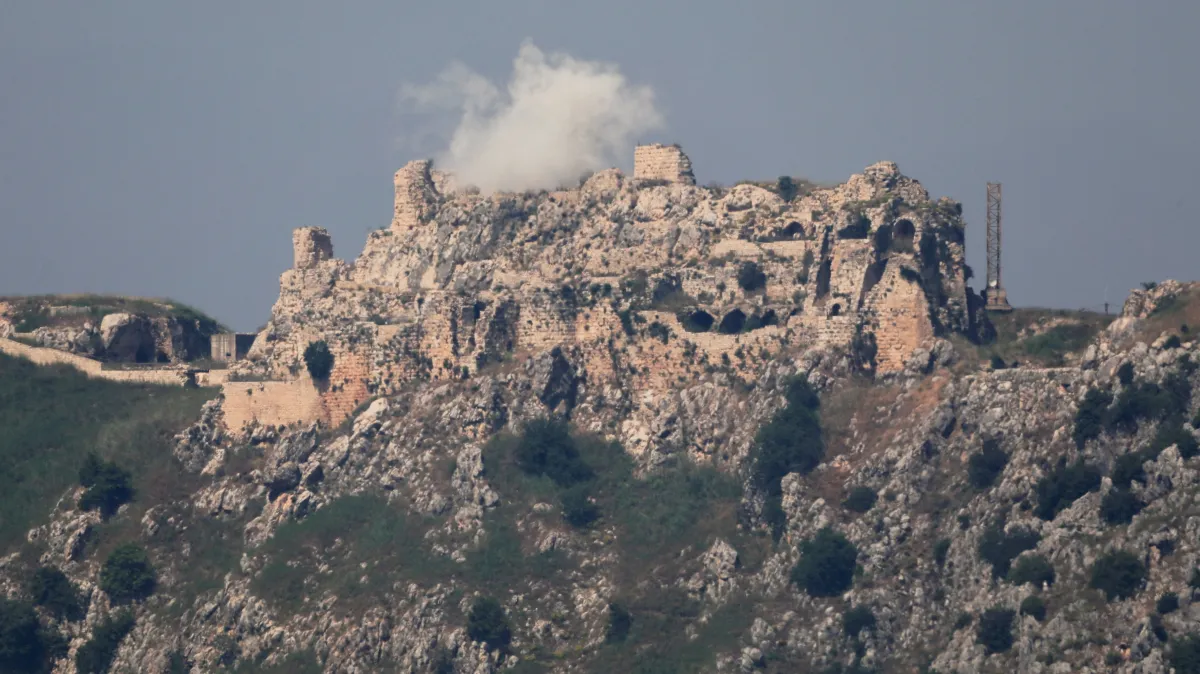 The National Council on Canada-Arab Relations (NCCAR) expresses deep concern regarding reports that Beaufort Castle (Qalaat Al-Shaqif), one of Lebanon's most significant cultural and historical landmarks, may have sustained damage during recent military operations in South Lebanon.
Beaufort Castle occupies a unique place in the history and cultural heritage of Lebanon and the wider region. Overlooking the Litani River and the historic landscape of Jabal Amel, the site embodies centuries of architectural, cultural, and historical memory. Its preservation is not only a matter of national importance but also of international concern.
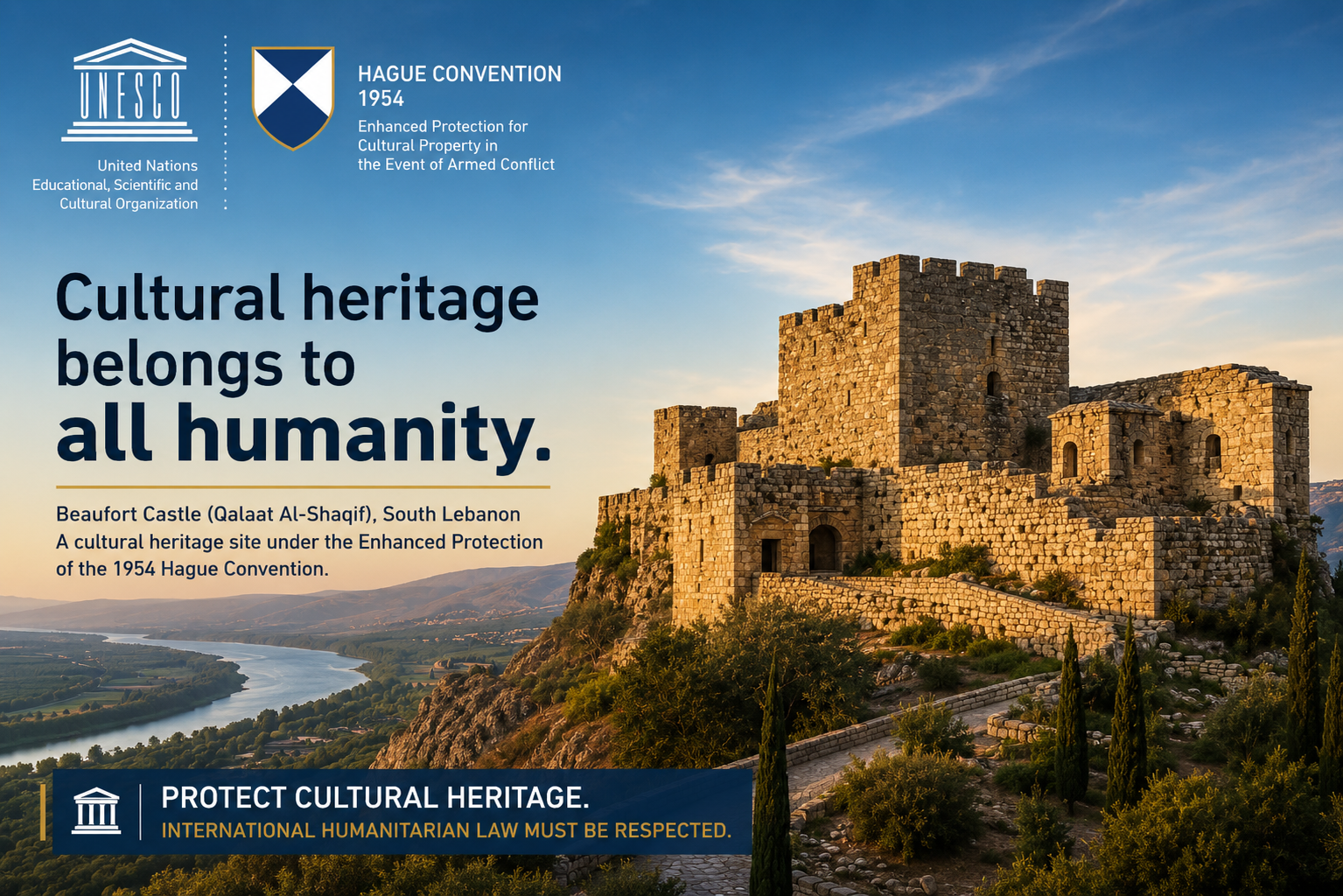
The castle is among the Lebanese cultural properties granted Enhanced Protection under the 1954 Hague Convention for the Protection of Cultural Property in the Event of Armed Conflict and its Second Protocol. This designation represents one of the highest levels of international legal protection available to cultural heritage sites during armed conflict and reflects the site's exceptional significance to humanity.
While reports of damage continue to emerge, independent assessments remain ongoing. Nevertheless, the possibility that a protected cultural site has been harmed warrants immediate international attention. International humanitarian law places clear obligations on all parties to an armed conflict to respect and safeguard cultural property. These protections exist because the destruction of cultural heritage extends beyond physical structures; it threatens collective memory, identity, and the historical continuity of entire communities.
UNESCO has repeatedly warned of the risks facing Lebanon's cultural heritage and has taken extraordinary measures to strengthen protections for vulnerable sites. The reported damage to Beaufort Castle underscores the urgent need for monitoring, documentation, and accountability mechanisms to ensure that international legal obligations are respected.
 NCCAR therefore calls upon UNESCO, the United Nations, States Parties to the Hague Convention, and the broader international community to:
• Conduct an urgent and independent assessment of the reported damage to Beaufort Castle;
• Publicly report findings regarding the condition of the site;
• Reaffirm the protections afforded to cultural heritage under international humanitarian law;
• Ensure accountability where violations of international law are established;
• Expand emergency monitoring and protection measures for threatened cultural heritage sites throughout Lebanon.
This issue should matter deeply to Canadians. Canada has long championed the protection of cultural heritage in conflict zones and is a State Party to the Hague Convention. The principles Canada has defended in response to attacks on cultural heritage elsewhere must be applied consistently wherever cultural property is at risk. The preservation of humanity's shared heritage cannot be selective.
At a time when armed conflicts continue to threaten cultural landmarks across the globe, the international community must remain vigilant in defending the legal and moral principles that protect our collective human inheritance.
The people of South Lebanon, and future generations everywhere, deserve nothing less.